
The struggle of keeping up with a growing garden
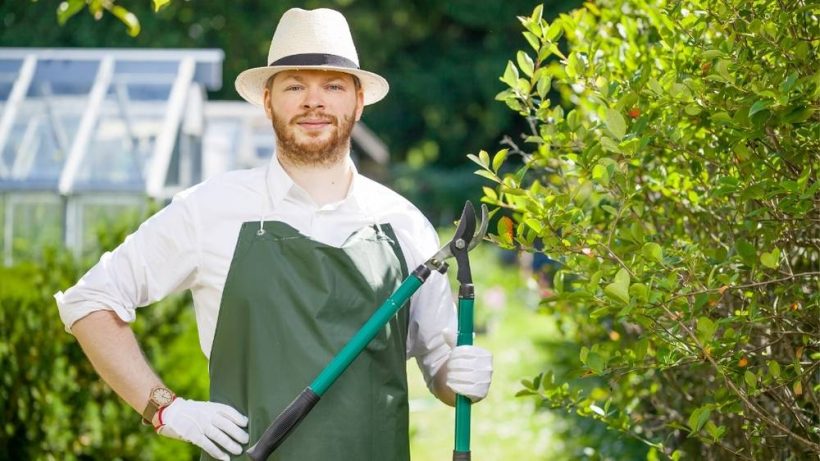
There is a specific kind of guilt that comes with looking out of the kitchen window at a lawn that has slowly turned into a meadow. We all start the spring season with grand ambitions, dreaming of perfectly striped grass, neatly trimmed hedges, and flowerbeds that would make a Chelsea Flower Show judge weep with joy. However, the reality of modern life often gets in the way. Between work commitments, family life, and the unpredictable British weather, the garden is often the first thing to be neglected. When the weeds start winning the battle, many of us start searching for gardeners near me to help reclaim our outdoor spaces.
Finding a professional to help isn’t just about admitting defeat; it is about recognising that gardening is a skilled trade that requires time, physical labour, and a fair amount of horticultural knowledge. A garden is a living, breathing entity that changes with the seasons, and keeping it in top shape requires more than just a quick mow once a fortnight. Professional gardeners bring a level of expertise that can transform a dull, overgrown patch of land into a vibrant extension of your home. Whether you need a one-off tidy-up or a regular maintenance schedule, the right help can make all the difference to your property’s kerb appeal and your own peace of mind.

Why local expertise actually matters for your plants
One of the main reasons people look for local help is that gardening is deeply tied to the local environment. A gardener who works in your specific area will understand the soil types, the local microclimate, and which plants are likely to thrive in your garden’s conditions. For instance, if you live in an area with heavy clay soil, your drainage needs will be vastly different from someone with sandy soil. Local professionals have seen it all before and can provide tailored advice that a generic online guide simply cannot offer.
Furthermore, hiring locally means less travel time for the professional, which often translates to more reliable scheduling and a lower carbon footprint. They are likely to have a reputation to uphold within the community, which usually leads to a higher standard of work. When you start your search for gardeners near me, you are looking for someone who understands the local growing season and knows exactly when to prune your roses or treat your lawn to ensure it stays healthy throughout the damp British winter.
What to look for when choosing a gardener
Not all gardening services are created equal, and it is important to distinguish between a general labourer and a skilled gardener. While someone with a mower and a van might be fine for a quick grass cut, more complex tasks require a deeper understanding of botany and landscape maintenance. Here are a few things you should consider when evaluating potential help:
- Insurance and Liability: Ensure they have public liability insurance to cover any accidental damage to your property.
- Equipment: Professional gardeners should provide their own high-quality tools, from petrol mowers to telescopic pruners, which are often much more effective than domestic versions.
- Portfolio: Ask to see photos of previous work or check for local reviews to see how they have handled similar gardens in the past.
- Waste Removal: Clarify whether they will take the green waste away or if they expect to use your brown bin or a compost heap.
- Reliability: A good gardener should be able to provide a clear schedule and stick to it, weather permitting.
Essential services that make a real difference
A comprehensive gardening service covers much more than just the lawn. When you hire a professional, you are often paying for a holistic approach to your outdoor space. They can identify pests before they destroy your favourite shrubs, manage invasive weeds like ground elder or bindweed, and ensure that your perennials are divided and replanted at the right time of year. This proactive maintenance prevents small issues from becoming expensive problems later on.
Many homeowners find that they actually save money in the long run by hiring professional help. Think about the amount of money spent on plants that die because they were planted in the wrong spot, or the cost of replacing a lawn that has been overtaken by moss and leatherjackets. A professional knows how to optimise the health of your garden, ensuring that your investment in plants and landscaping actually lasts. They can also help you organise your garden layout to make it lower maintenance if you are struggling to keep up with the workload.
Common tasks you can delegate
If you are unsure where to start, consider delegating the most time-consuming or physically demanding tasks first. This allows you to enjoy the creative parts of gardening, like choosing new flowers, while the heavy lifting is handled by someone else. Common services include:
- Lawn Care: This includes mowing, edging, scarifying, and seasonal feeding to keep the grass lush and green.
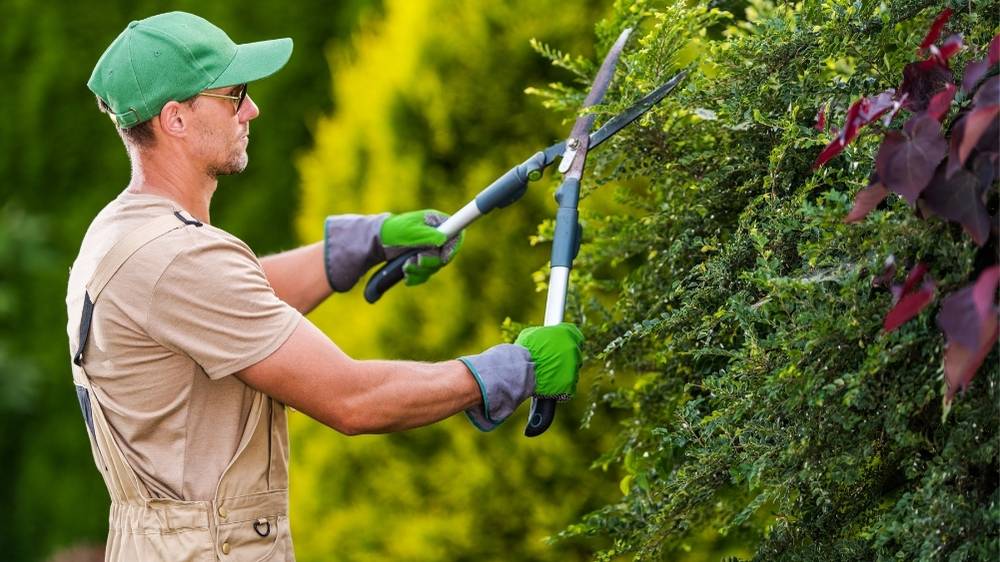
- Hedge Trimming: Keeping hedges neat and tidy requires a steady hand and the right equipment, especially for tall boundary hedges.
- Border Maintenance: Weeding, mulching, and deadheading flowers to encourage more blooms throughout the summer.
- Pruning: Correctly pruning fruit trees, roses, and ornamental shrubs to promote healthy growth and better yields.
- Leaf Clearance: Managing the autumn deluge of leaves to prevent them from rotting your lawn or clogging your drains.
How to prepare for your gardener’s visit
To get the most value out of your hired help, it is worth doing a little bit of preparation before they arrive. Clear communication is key to ensuring the results meet your expectations. If you have specific areas of the garden that you want them to prioritise, make sure to mention this upfront. It is also helpful to clear away any pet waste, children’s toys, or garden furniture from the areas where they will be working. This allows the gardener to get straight to work rather than spending the first half hour of their visit tidying up items that aren’t related to the plants.
Access is another important factor. If you won’t be home when they arrive, make sure they have a way to get into the garden, whether that’s through a side gate or a shared alleyway. Most professional gardeners are used to working independently and are happy to get on with the job while you are at work, provided they have clear instructions and access to the site. If you have any specific preferences regarding chemical use—for example, if you prefer organic weed control because you have pets or want to encourage local wildlife—be sure to discuss this during the initial consultation.
The benefits of regular maintenance over one-off visits
While a one-off ‘jungle clearance’ can be incredibly satisfying, the real magic happens with regular maintenance. A garden that is visited every two weeks stays under control, meaning the gardener can focus on fine-tuning and improving the space rather than just fighting back the overgrowth. Regular visits allow for better seasonal planning, ensuring that your garden has colour and interest even during the bleakest winter months. It also means that tasks are performed at the optimal time, such as pruning spring-flowering shrubs immediately after they finish blooming to ensure a great display the following year.
By establishing a relationship with a local professional, you gain a partner who is as invested in your garden’s success as you are. They get to know the quirks of your outdoor space, which plants are the ‘problem children’, and where the sun hits at different times of the year. This level of familiarity leads to a garden that doesn’t just look good for a week after a visit, but one that thrives and evolves beautifully over time. When your outdoor space is well-managed, it becomes a true sanctuary—a place where you can relax, entertain, and connect with nature without the nagging thought of a growing to-do list hanging over your head.

Emily Harcourt is a health writer and advocate dedicated to raising awareness about breast cancer prevention, early detection, and treatment advancements. She focuses on sharing expert insights and patient stories to educate and inspire.


